One of the most critical decisions you'll make as a startup founder or CTO is selecting the right technology stack. This choice will impact your development speed, scalability, hiring capabilities, and long-term maintenance costs. Let's dive into how to make this decision wisely.
Understanding Your Requirements
Before diving into specific technologies, it's essential to understand your project's unique requirements. Consider the following factors:
- Type of Application: Is it a web app, mobile app, or both? Do you need real-time features?
- Expected Scale: How many users do you anticipate in the first year? In five years?
- Team Expertise: What technologies does your team already know?
- Time to Market: How quickly do you need to launch?
- Budget: What are your infrastructure and development cost constraints?
Frontend Technologies
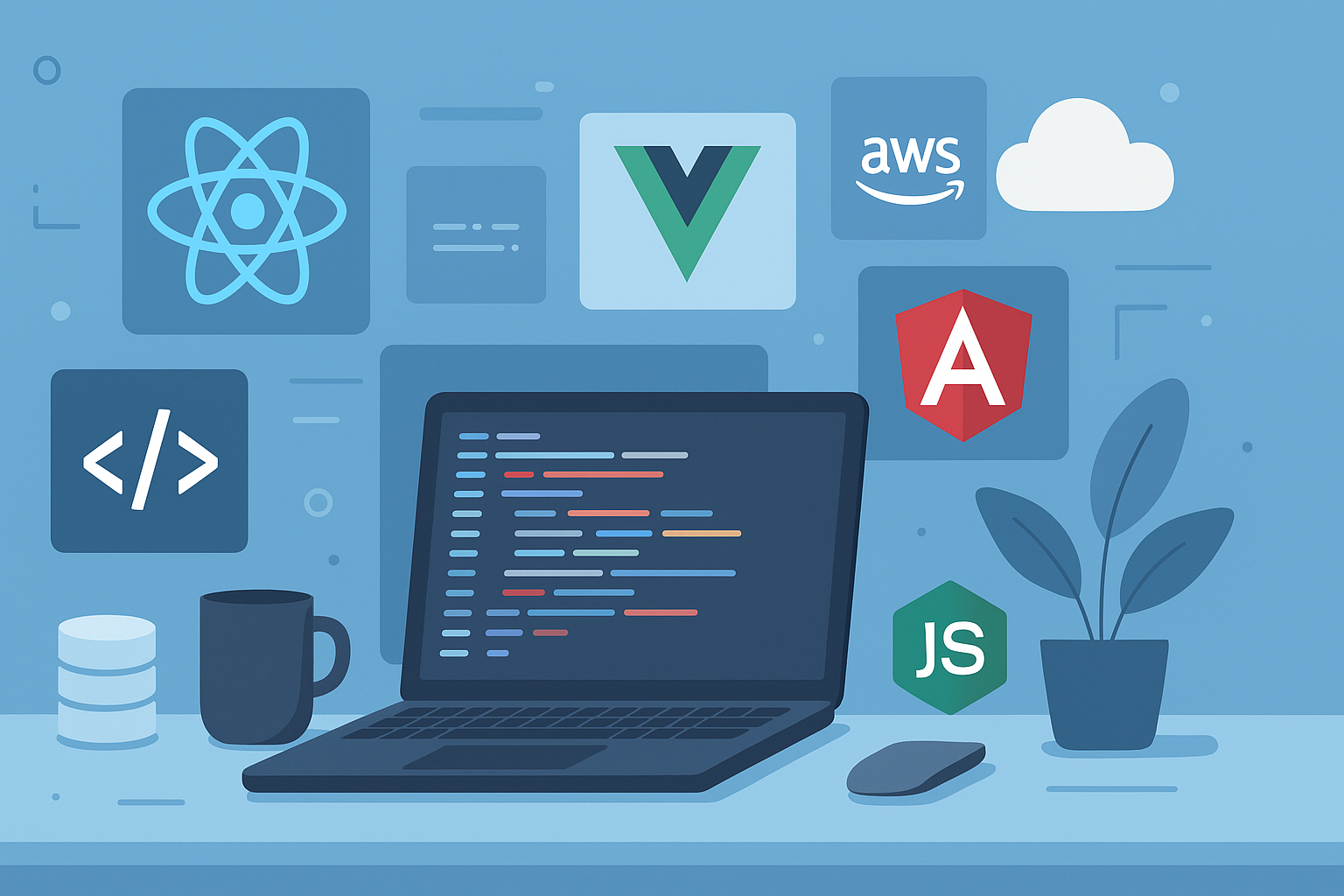
For modern web applications, the frontend landscape is dominated by three major frameworks: React, Vue, and Angular. Here's how they compare:
React
React has become the de facto standard for building user interfaces. Its component-based architecture, vast ecosystem, and strong community support make it an excellent choice for most startups. With frameworks like Next.js, you get server-side rendering, API routes, and excellent performance out of the box.
Best for: Large-scale applications, teams that want flexibility, projects requiring extensive third-party integrations.
Vue.js
Vue offers a gentler learning curve while still providing powerful features. It's excellent for teams with varying skill levels and projects that need quick prototyping. Nuxt.js provides similar benefits to Next.js for the Vue ecosystem.
Best for: Smaller teams, rapid prototyping, projects requiring gradual framework adoption.
Backend Technologies
Your backend choice depends heavily on your team's expertise and performance requirements.
Node.js
Using JavaScript on both frontend and backend simplifies development and allows code sharing. Node.js excels at handling concurrent connections, making it ideal for real-time applications. Frameworks like NestJS provide structure and enterprise-ready patterns.
Python
If your startup involves AI, machine learning, or data processing, Python is hard to beat. Frameworks like Django and FastAPI offer rapid development with excellent documentation and community support.
Go
For high-performance applications requiring excellent concurrency, Go is an excellent choice. Its simplicity and compilation to native binaries make it ideal for microservices and cloud-native applications.
Database Selection
Choosing between SQL and NoSQL databases is one of the most debated topics in tech.
PostgreSQL
For most startups, PostgreSQL is the safe choice. It offers ACID compliance, excellent JSON support, and can handle both traditional relational data and document-like structures. It scales well and has a proven track record.
MongoDB
If your data model is highly flexible or document-oriented, MongoDB can accelerate development. It's particularly useful for MVPs where the schema might change frequently.
Cloud Infrastructure
AWS, Google Cloud, and Azure all offer robust infrastructure for startups. Key considerations include:
- AWS: Largest ecosystem, most services, startup credits available
- Google Cloud: Excellent for AI/ML workloads, competitive pricing
- Azure: Best for enterprise integrations and Microsoft ecosystem
Our Recommendation
For most startups in 2025, we recommend the following stack:
- Frontend: React with Next.js for SSR and API routes
- Backend: Node.js with NestJS for structured, scalable APIs
- Database: PostgreSQL for primary data, Redis for caching
- Infrastructure: AWS or Google Cloud with container orchestration
- Mobile: Flutter for cross-platform mobile development
This stack offers an excellent balance of development speed, scalability, and maintainability while having strong hiring pools available globally.
Conclusion
There's no one-size-fits-all answer to choosing a tech stack. The best choice depends on your specific requirements, team, and business goals. Focus on proven technologies with strong community support, and don't be afraid to start simple and evolve as your needs grow.
At AlkaSpire, we help startups navigate these decisions and build scalable software solutions. If you're looking for guidance on your tech stack or need a development partner, feel free to reach out to us.